
Understanding the psychology of risk in casino gambling
The Nature of Risk in Gambling
The concept of risk is intrinsic to gambling, manifesting in both financial stakes and emotional investments. Gamblers often find themselves attracted to the thrill of uncertainty, where the outcome of their bets can either lead to substantial rewards or significant losses. This duality of risk creates a compelling environment that can stimulate excitement and anticipation. Understanding why individuals engage in high-risk gambling can provide insight into human behavior and decision-making processes, emphasizing the interplay of cognitive biases and emotional responses. For more information, you can visit https://1xbetapk.ie/registration-and-login/ to explore various strategies related to responsible gambling.
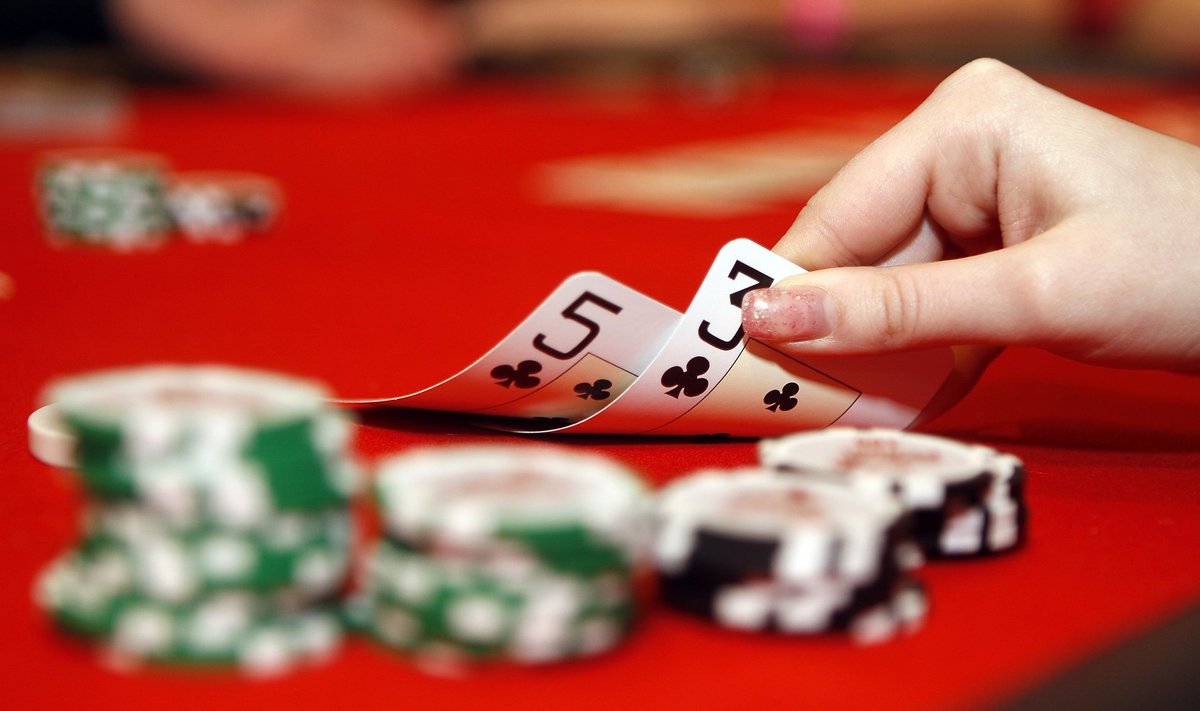
Moreover, risk-taking behaviors in casinos are influenced by psychological elements such as the illusion of control. Many gamblers mistakenly believe they can influence the outcome of games of chance through skill or strategy, which can lead to reckless betting. This cognitive distortion feeds into the gambler’s fallacy, where individuals assume that past events will influence future probabilities. Recognizing these psychological traps is crucial for both gamblers and industry stakeholders aiming to promote responsible gambling practices.
Additionally, the social aspects of gambling further complicate the perception of risk. Casinos often foster a communal atmosphere where players feel connected, amplifying their emotional experience. This social environment can lead to increased risk-taking as individuals may feel emboldened by the presence of others, making them more likely to chase losses or place larger bets. Understanding these dynamics is vital for assessing how risk is perceived and managed in gambling contexts.
Several psychological factors play a crucial role in shaping gambling behavior, with emotions being one of the most significant. The thrill of winning can evoke intense feelings of joy and satisfaction, while the pain of losing can lead to frustration and desperation. Such emotional responses can cloud judgment and lead to impulsive decisions. Gamblers often chase after losses, hoping that a subsequent win will recoup their earlier losses, a behavior rooted in emotional highs and lows.
Cognitive biases also significantly influence gambling behavior. For instance, confirmation bias may lead gamblers to only focus on wins or favorable outcomes while ignoring losses. This selective memory reinforces their beliefs and behaviors, further entrenching their gambling habits. Additionally, the concept of near-misses, such as landing two out of three symbols on a slot machine, can elicit feelings of success, even when the player hasn’t won, driving them to continue playing in hopes of achieving a win.
Another vital factor is the role of reward systems in the brain. Neurotransmitters like dopamine are released during gambling, creating feelings of pleasure and reinforcing the behavior. This biochemical response can lead to addiction, as the brain starts associating gambling with reward, further enhancing the risk-taking propensity. Understanding these psychological underpinnings is crucial for developing effective strategies for responsible gambling.
The Impact of Environment on Gambling Decisions
The environment within a casino significantly influences gambling behavior and risk perception. Factors such as lighting, sound, and decor are meticulously designed to create an immersive experience that encourages players to gamble more. Casinos often employ bright lights and upbeat music to create an atmosphere of excitement and urgency, making it easier for players to lose track of time and money spent. This carefully curated environment heightens the sense of risk and reward, compelling individuals to take bolder bets.
Moreover, the presence of other gamblers can lead to a phenomenon known as “social facilitation,” where individuals are more likely to engage in riskier behavior when surrounded by others. The collective energy and emotions in a casino can create a sense of camaraderie and excitement, leading players to take more risks than they would in isolation. This social influence can amplify the thrill of gambling, resulting in decisions that might not align with the individual’s typical risk tolerance.
Additionally, promotions and loyalty programs can further incentivize gamblers to take risks. For example, casinos may offer free bets or bonuses, which can encourage players to gamble more aggressively than they normally would. This type of marketing exploits the psychological appeal of “free money,” often leading individuals to overlook the inherent risks associated with increased gambling. Understanding these environmental factors is crucial for both players and casino operators to promote a safer gambling atmosphere.
Strategies for Managing Gambling Risk
Managing risk in gambling requires a combination of self-awareness, understanding of psychological tendencies, and practical strategies. One effective approach is setting strict limits on both time and money spent. By establishing clear boundaries before entering a casino, gamblers can maintain control over their actions and reduce the likelihood of impulsive decisions driven by emotions or the thrill of the moment. Utilizing tools like budget trackers can also assist in sticking to these limits.
Another useful strategy involves increasing awareness of cognitive biases and emotional triggers. Gamblers who educate themselves about common psychological pitfalls can develop better decision-making skills. For example, recognizing the signs of chasing losses can help individuals step back and reassess their choices. Engaging in regular self-reflection or seeking support from responsible gambling programs can also reinforce healthy gambling habits.
Moreover, incorporating breaks during gambling sessions can be an effective way to mitigate risk. Taking time away from the gaming floor allows players to re-evaluate their situation and make more rational decisions. This strategy helps to disrupt the continuous cycle of betting and can lessen the emotional high and low that often accompany gambling. Understanding the importance of these proactive measures is crucial for anyone looking to engage in casino gambling responsibly.

Resources for Responsible Gambling
For individuals interested in understanding and improving their gambling habits, there are numerous resources available. Educational organizations and support groups provide valuable information on the psychology of gambling, as well as tools for managing risk. These resources emphasize the importance of self-awareness and responsible gambling practices, aiming to create a safer environment for all players.
Many casinos also offer responsible gambling programs that include self-exclusion options, where players can voluntarily limit their access to gambling facilities or online platforms. Such measures not only help individuals manage their gambling habits but also foster a culture of accountability within the gaming industry. Understanding these resources is vital for anyone seeking to navigate the complex world of gambling responsibly.
Ultimately, the psychological dynamics of risk in casino gambling are complex and multi-faceted. By gaining insight into the underlying psychological factors and employing effective management strategies, players can enjoy the thrill of gambling while minimizing the associated risks. Exploring various resources can further aid in fostering a healthier relationship with gambling, ensuring that it remains an enjoyable activity rather than a detrimental one.
“`
Leave a Reply